Palace in the Mist: An Historical Review (Copy)
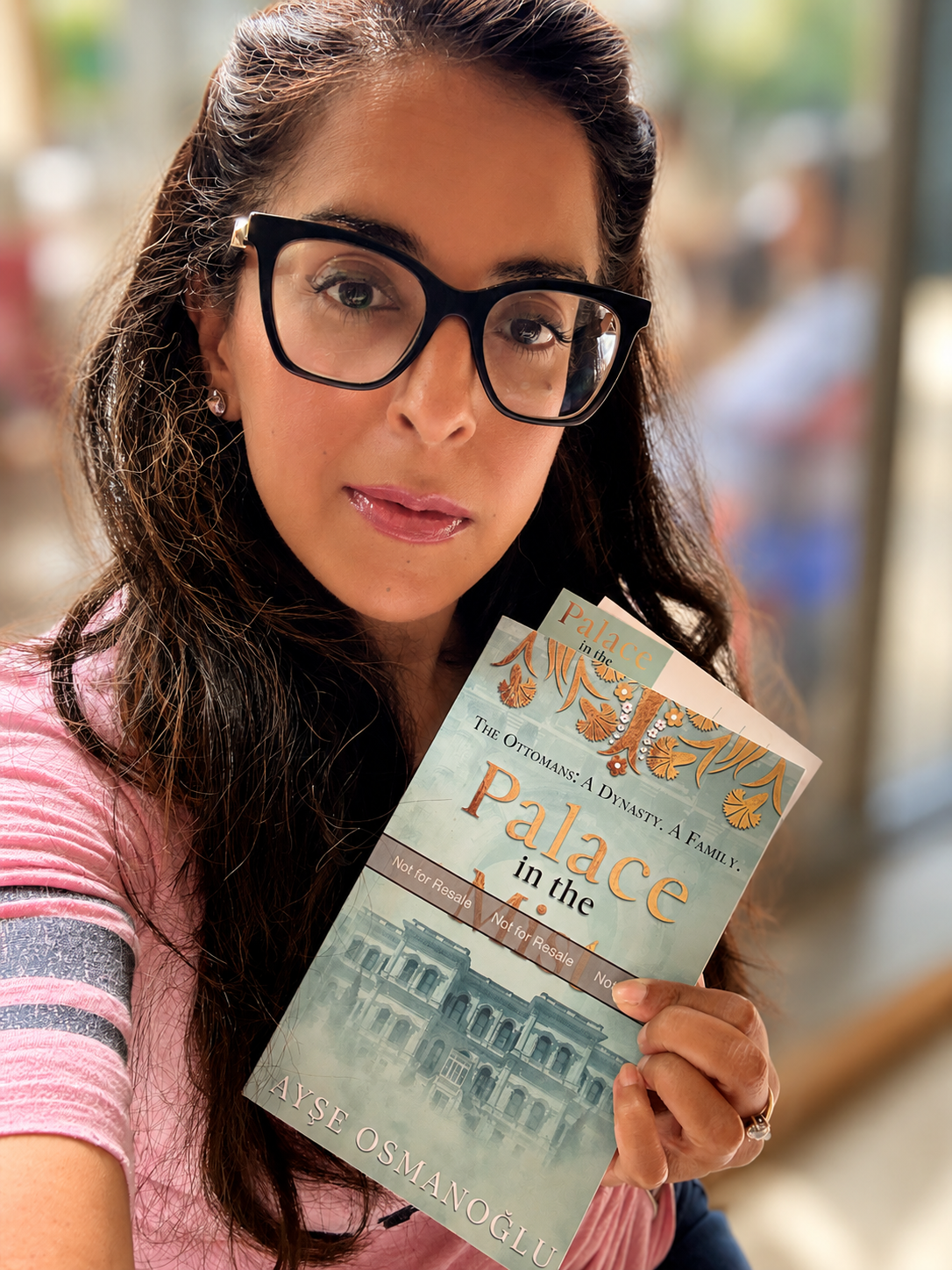
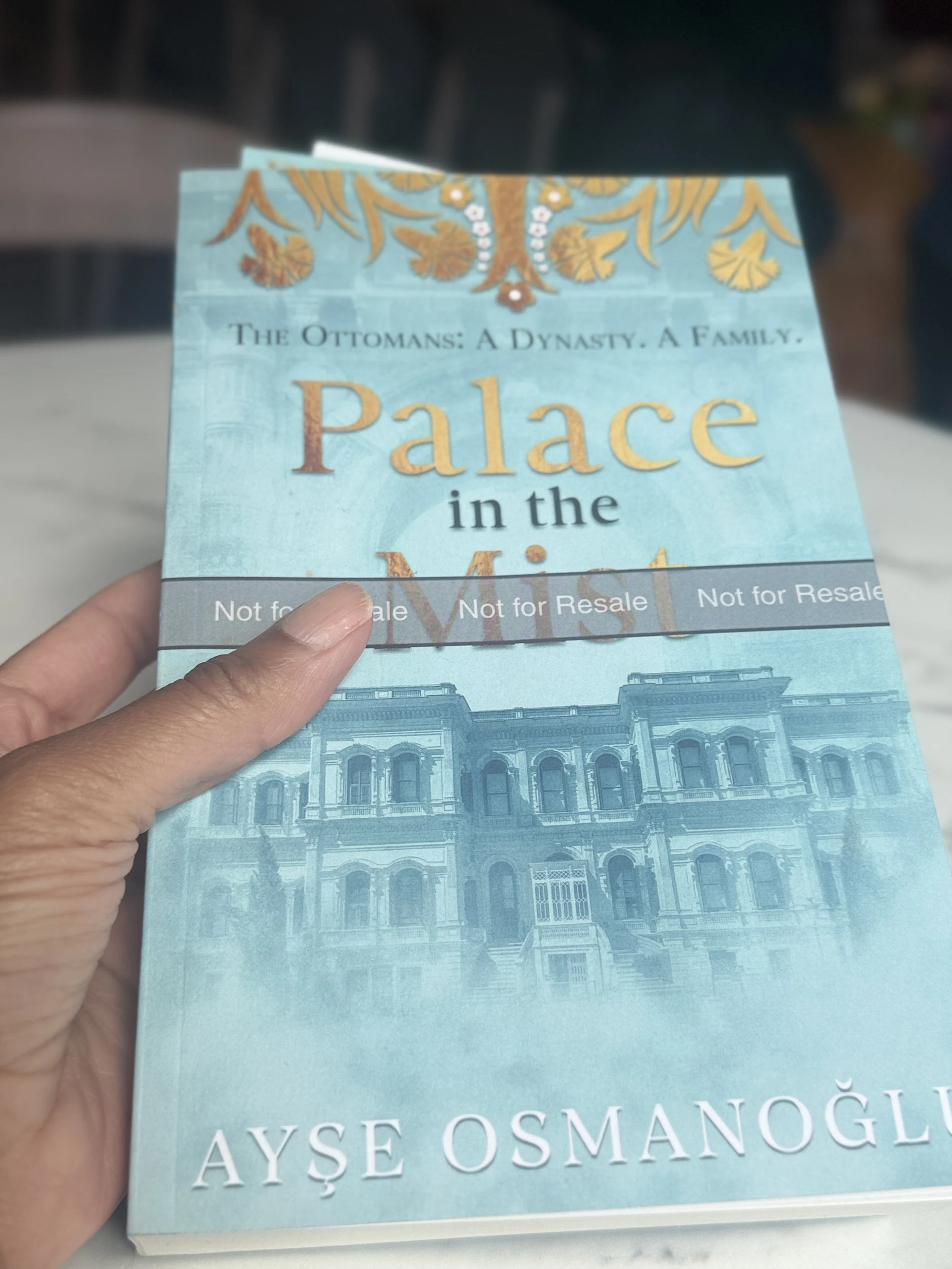
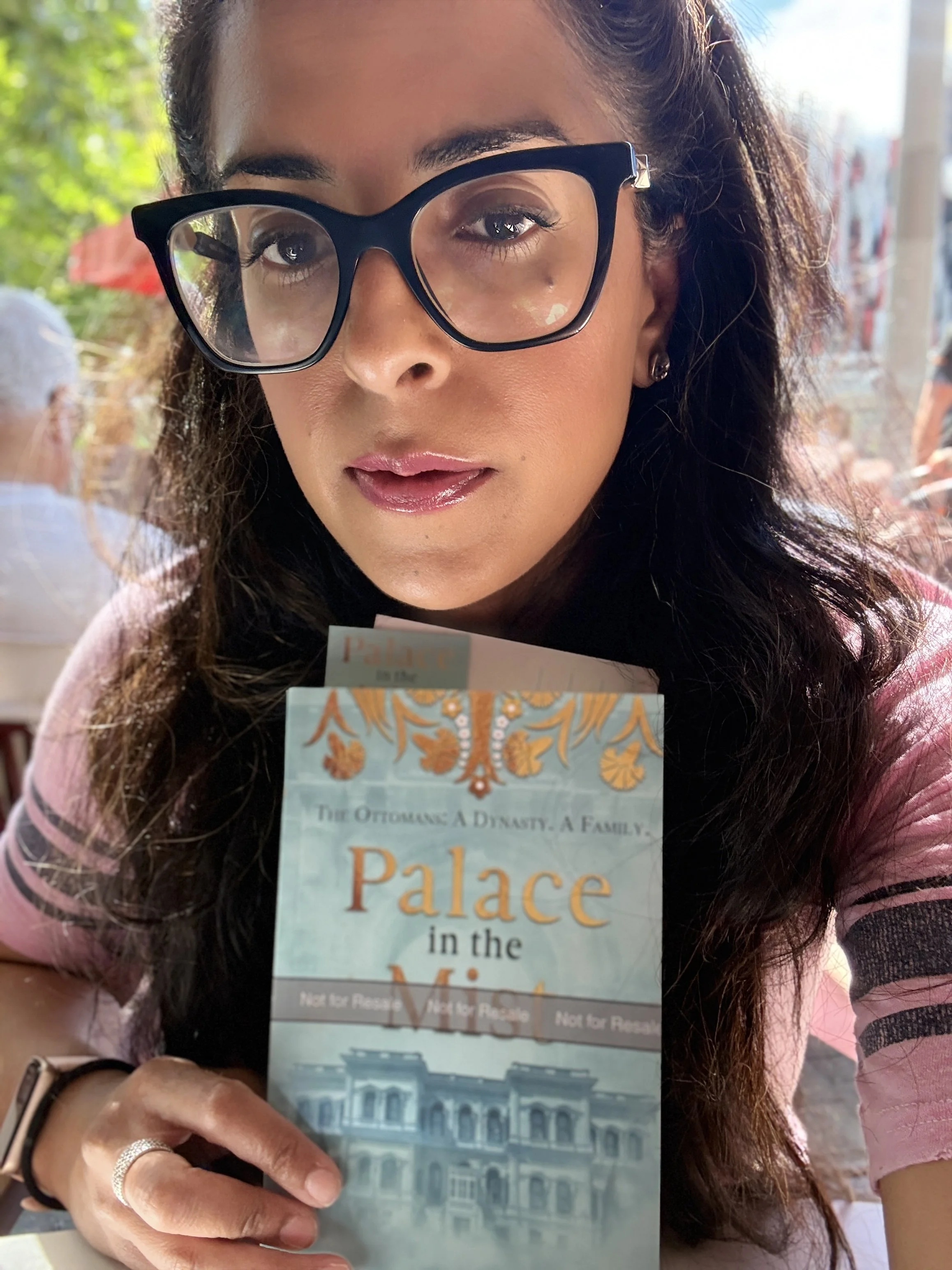
Ayse Osmanoglu’s Palace in the Mist is the third novel in her Ottoman family saga and continues the remarkable story of Sultan Murad V’s descendants after decades of imprisonment in Çırağan Palace. While Sultan Murad has now passed away, his son Prince Selahuddin and the remaining family members remain confined within the palace walls. Their captivity has become less severe, yet they are still unable to participate in the affairs of an empire whose future they desperately wish to influence.
As with Osmanoglu’s previous novels, the personal and political are beautifully intertwined. The family continues to grapple with loss, hope and faith, while outside the palace the Ottoman Empire faces mounting internal unrest and relentless pressure from the European powers.
The novel opens against the backdrop of growing instability in Ottoman Macedonia. Rather than presenting the conflict as a simple struggle between Christians and Muslims, Osmanoglu highlights the complexity of the region. Greek, Bulgarian, Serbian, Albanian and Romanian nationalist movements compete for influence, while the Ottoman authorities struggle to preserve order within an increasingly fragile empire. As Prince Selahuddin observes, the empire is being pulled apart not only by competing nationalisms but also by the ambitions of Europe’s Great Powers, who stand ready to intervene whenever instability provides an opportunity.
One of the strengths of the novel is its exploration of how European interference and colonial desires increasingly shaped Ottoman affairs. Sultan Abdulhamid II is portrayed as facing continual external pressure, from accepting foreign oversight of reforms in Macedonia to conceding territory around the Sinai frontier to British-controlled Egypt. These concessions are viewed by many characters not simply as political compromises but as signs that European imperial influence is steadily eroding Ottoman sovereignty.
The discussions between Prince Selahuddin and his family provide some of the book’s most thought-provoking passages. Their frustration stems not simply from their own imprisonment but from their inability to help save an empire they believe is slowly being dismantled from within and without. Selahuddin’s reflection, drawing on the words of Jalal al-Din Rumi, “Patience is not sitting and waiting. It is foresight. It is looking at the thorn and seeing the rose, looking at the night and seeing the day,” perfectly captures the resilience that runs throughout the novel.
Alongside these political developments, Osmanoglu continues to develop the personalities of the Ottoman family members. I particularly enjoyed the portrayal of Princess Fehime during her visit to the Imperial Museum. Inspired by the stories of powerful women from antiquity, she quietly resolves to leave her own mark on history. It is a subtle but powerful reminder that the women of the Ottoman dynasty were not merely passive observers of events but possessed ambitions, intellect and a deep commitment to serving their society.
As the story progresses, the emergence of the Ottoman Freedom Society and the growing Young Turk movement create a new source of tension. Increasing numbers of military officers become convinced that constitutional government offers the only path to saving the empire from collapse and foreign domination. Their growing organisation reflects a wider frustration that Sultan Abdulhamid’s rule has weakened rather than strengthened the state.
One particularly fascinating aspect of the novel is how it illustrates that the Ottoman Empire’s greatest challenges came not only from outside but also from competing visions within the empire itself. Reformers, conservatives, military officers and the ruling dynasty all sought to preserve the empire, yet profoundly disagreed on how this should be achieved.
By 1908, international tensions intensify further as Britain and Russia begin discussing joint intervention in Macedonia. The prospect of European cooperation alarms the Young Turks, who fear that foreign intervention would permanently undermine Ottoman independence. Osmanoglu effectively conveys the sense that events are accelerating towards a turning point from which there may be no return.
As with the previous books in the series, Palace in the Mist succeeds because it humanises major historical events through the experiences of one family. Rather than simply recounting constitutional debates, diplomatic manoeuvres and imperial decline, it allows readers to experience these transformations through people who loved their country yet were powerless to shape its future.
Osmanoglu once again offers an engaging blend of historical fiction and family memory. Her writing brings warmth and humanity to a period often remembered only for political upheaval, while encouraging readers to consider the immense pressures facing the late Ottoman Empire. It leaves the reader eager to discover what happens next as the empire moves ever closer to one of the most dramatic turning points in its history.
Click here to pre-order: https://getbook.to/PalaceInTheMist