Beyond “Saris, Steel Bands and Samosas”*: Does DEI have a Religion Blind Spot?
What does multiculturalism really mean? And have our approaches to diversity and inclusion gone far enough when it comes to religion?
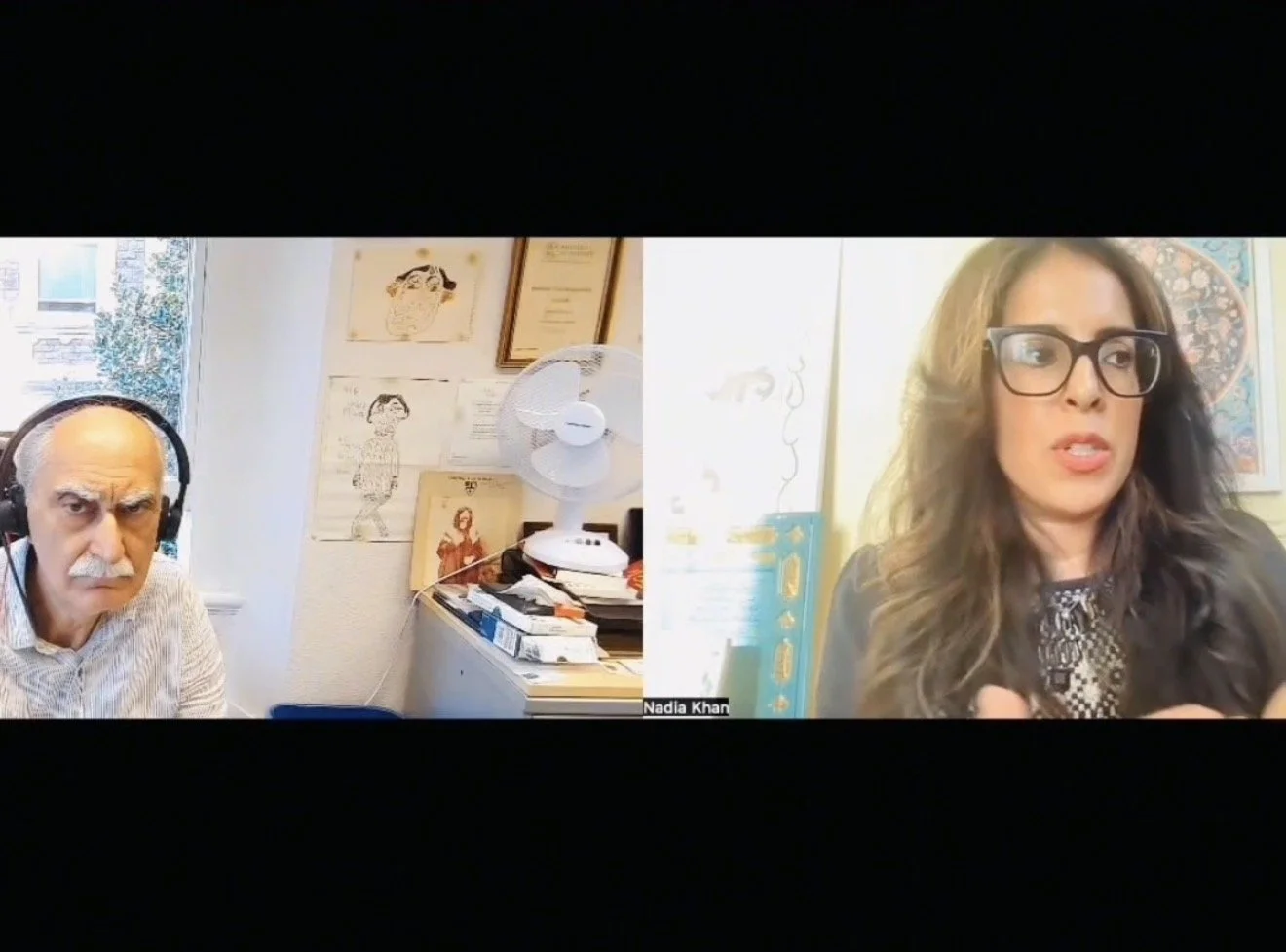
I recently had the privilege of speaking with Professor Tariq Modood, one of Britain’s leading scholars of multiculturalism, for my Golden Threads podcast.
Professor Modood stated that multiculturalism is not simply about recognising what we share, but respecting fellow citizens as equals while also recognising and respecting their differences.
Our conversation explored how religion has historically struggled to find its place within British approaches to equality and multiculturalism. While race, gender and class became established parts of the equality conversation, religion was often treated as something private — something that should remain in the background.
We discussed what happened when British Muslims increasingly asserted a public Muslim identity, including around the Salman Rushdie affair, and why Muslim identity could not simply be fitted into existing ways of thinking about race and ethnicity.
This led us to Professor Modood’s idea of multicultural nationalism.
Rather than responding to diversity by making British identity increasingly “thin”, he argues for something richer: a more capacious national story to which different communities can contribute, enabling minorities not simply to live in Britain, but to feel that they can “own” the nation and be British in their own ways.
History matters enormously to this.
We discussed the importance of teaching Britain’s imperial history, but also of recognising the much longer Muslim presence within European history — from Muslim Spain and Sicily onwards. These histories can help challenge the idea that Muslims are somehow permanently external to the European story.
We also talked about serious concerns about Islamophobia, its amplification through social media and political discourse, and whether institutions and political leaders have responded adequately.
One question stayed with me:
Can an institution genuinely call itself inclusive if religion and faith remain peripheral to the way it understands diversity?
Moving beyond the old caricature of multiculturalism as “saris, steel bands and samosas” requires more than visible representation or cultural celebration.
It requires us to think about belonging, recognition, faith, history and who gets to be part of the national story.
A fascinating and timely conversation.
🎥 Watch the full conversation: