The Ottoman and Indian Muslims Secret Alliance
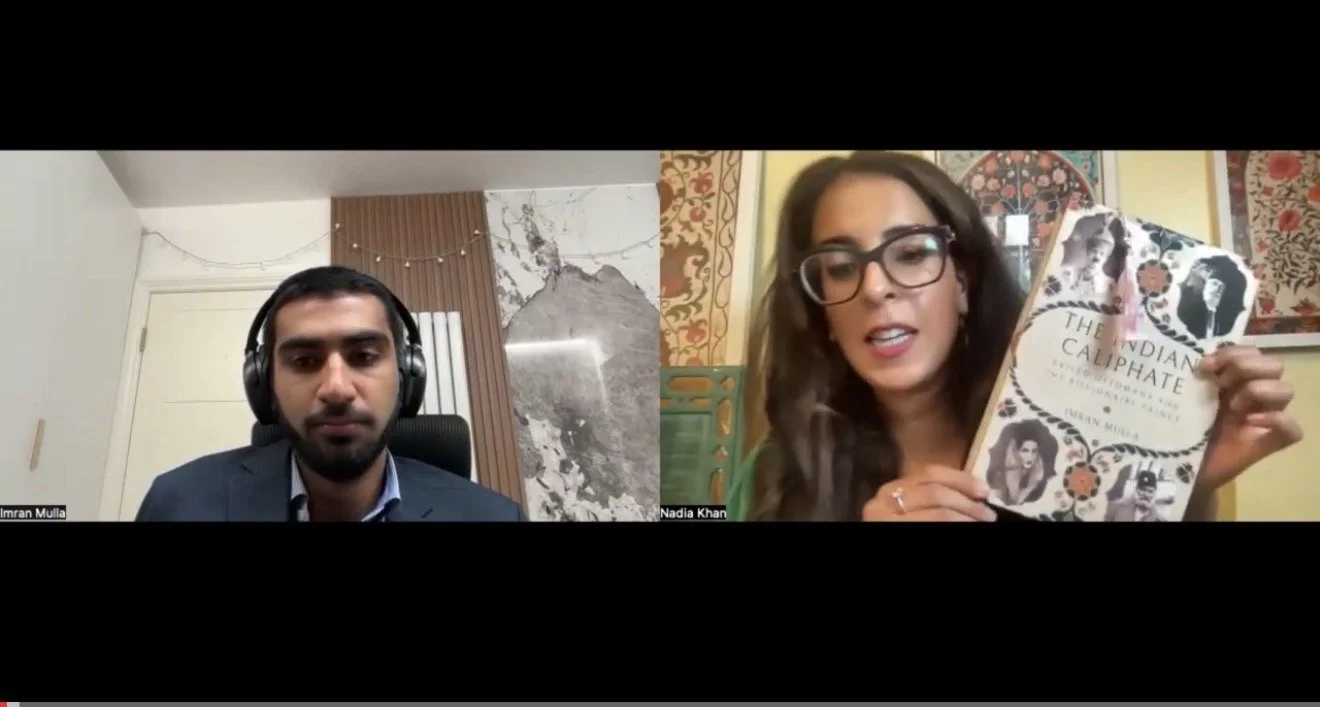
I spoke to journalist and historian Imran Mulla about his fascinating debut book, The Indian Caliphate: Exiled Ottomans and the Billionaire Prince.
It uncovers a remarkable and largely forgotten history connecting the last Ottoman Caliph, Indian Muslims and the princely state of Hyderabad.
When the Ottoman Caliphate was threatened and ultimately abolished, Indian Muslims were not passive observers. The Khilafat Movement from 1918, mobilised Muslims on a huge scale, while figures including Muhammad Ali, Shaukat Ali and Muhammad Iqbal imagined Muslim identity as something that could be both deeply Indian and connected to a wider global Muslim community.
And then came an extraordinary possibility: could Hyderabad become the new future for the Caliphate?
The last Ottoman Caliph’s daughter, Princess Durrushehvar, married Azam Jah, the eldest son and heir of the Nizam of Hyderabad — bringing together two of the Muslim world’s most prominent dynasties.
But this story opens up much bigger questions.
Why were European colonial powers so fearful of pan-Islamic solidarity?
How did colonialism and emerging nationalism reshape what it meant to be an Indian Muslim? What role did Indian Muslims play in internationalising the cause of Palestine?
And does this history highlight there were multiple futures imagined for India after the British left?
We discuss all of this and more in my interview with Imran.
It is a fascinating reminder that the political futures people imagined before 1947 were far more varied than just a partitioned India and Pakistan - and far more globally connected - than our national histories sometimes suggest.
Watch full interview: https://youtu.be/nkpbZeAqiK8?is=OeGO2xQ1bUMRyRmg